
Team Trenkwalder
Applying for jobs in nursing and medicine: How to find a role that suits you

Team Trenkwalder
over 2 years ago
•5 min read
Opportunities in the neighboring country
Every day, around 25,000 French commuters cross the border into the German part of the Upper Rhine region, especially from Alsace.
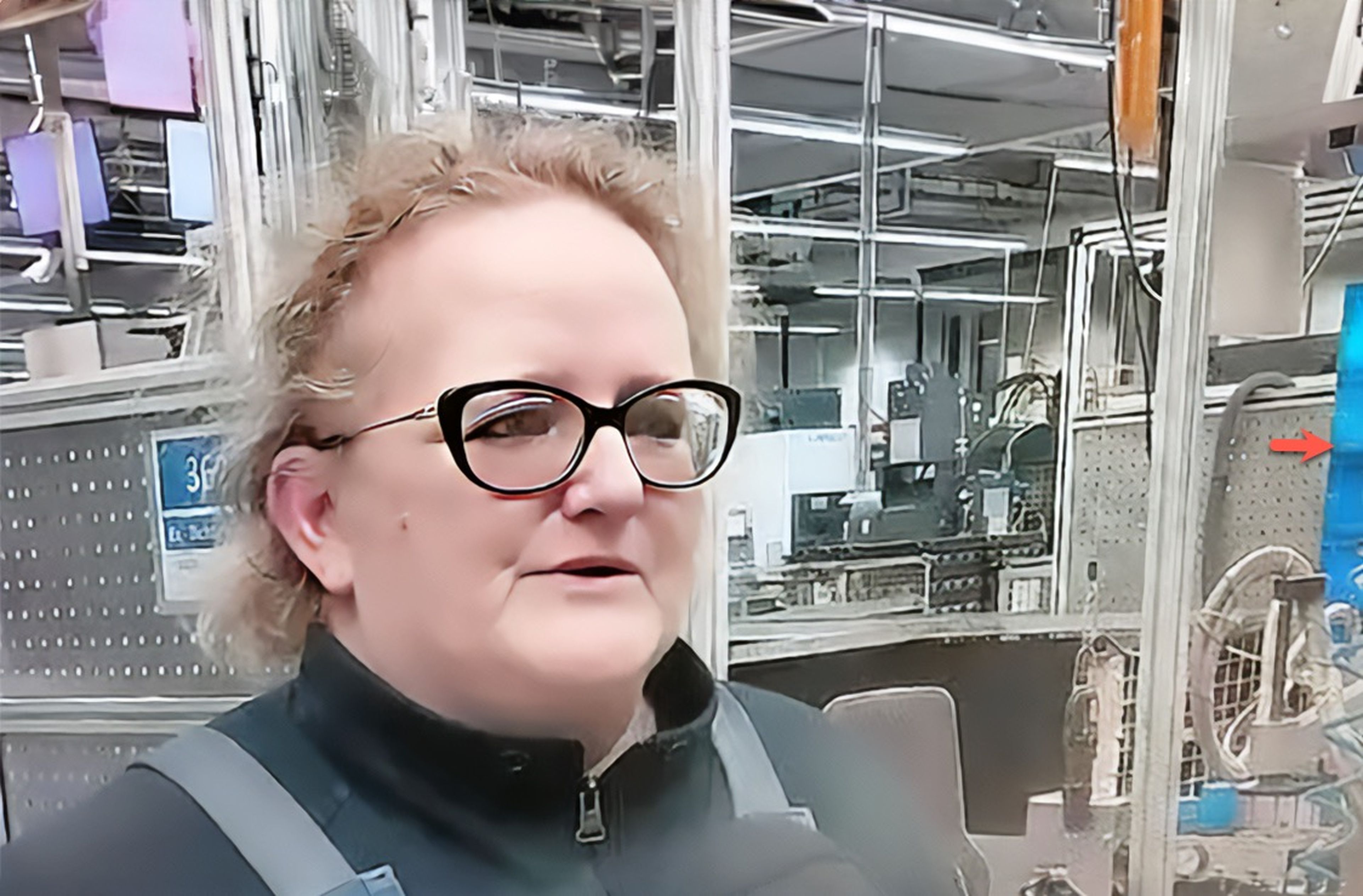
One of them is Nathalie Groh, who works as a temporary worker in the production of electronic components. Before her current job, 52-year-old Nathalie Groh was unemployed for two years, which is often a challenge for people of this age in France (only half of 55-64-year-olds have a permanent job here).
In contrast, industrial companies on the German side of the Rhine have a great need for labor and skilled workers, and being over 50 is not an obstacle in Germany. Nathalie Groh found a job in Baden-Württemberg with the support of the "L'Allemange recrute" coordination office of the French employment office.
Financially, this is also advantageous, as the minimum wage or even higher salaries are common in Germany.
Further insights can be found in the latest blog post from the temporary employment alliance "Wir sind Chancengeber".
Sign up and get more articles on the topics of “Soziale Verantwortung, Unternehmensnews”
This site is protected by reCAPTCHA Enterprise.
We constantly post new interesting job offers, tips and look for talent there.
Trenkwalder @