
Blog Posts

Team Trenkwalder
4 months ago
•4 min read
Working in the Heat
How to Stay Productive Even on Warm Days
High temperatures can be a significant burden for many people in their daily work. Studies show that even moderate exposure to heat can impair both cognitive and physical performance. Concentration, reaction time, and well-being decline—with direct effects on productivity and error rates.
However, these effects can be effectively counteracted with targeted measures.
Why Heat Affects Performance
The human body relies on maintaining a constant core temperature. When ambient temperatures are high, the body’s cooling system is activated, primarily through increased blood flow to the skin and sweating. These processes are necessary to prevent overheating, but they consume energy.
As a result, less energy is available for cognitive tasks, while at the same time the strain on the cardiovascular system increases. This leads to faster fatigue, and both concentration and performance decline. Activities that require a high level of mental focus or physical exertion are particularly affected.
Optimizing the Work Environment
An adapted work environment can significantly reduce thermal stress. Regular ventilation during the cooler parts of the day promotes air exchange and helps prevent heat buildup. In addition, sun protection measures such as blinds or curtains reduce heat gain from direct sunlight.
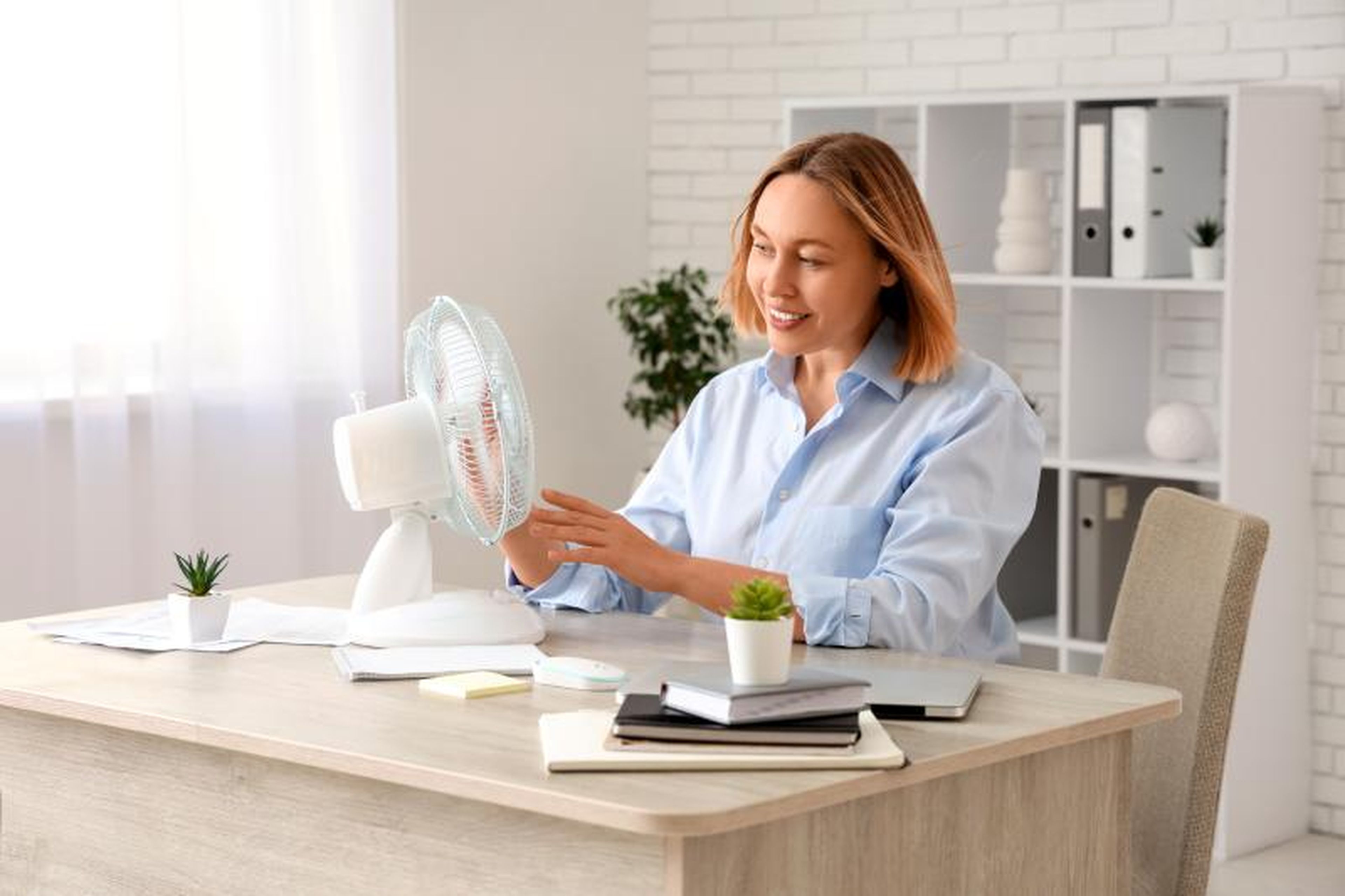
Air movement also plays an important role: Fans can lower the perceived temperature by promoting the evaporation of sweat. At the same time, avoidable heat sources should be minimized as much as possible. Even minor adjustments can help create a more stable and productive work environment.
Maintaining a Stable Fluid Balance
A balanced fluid balance is essential for performance and well-being. Even mild dehydration can negatively affect concentration and reaction time.
Therefore, it is important to drink regularly throughout the day rather than consuming large amounts all at once. Water and unsweetened beverages are particularly suitable, while caffeinated drinks should be consumed only in moderation. Maintaining a steady fluid balance supports the body’s thermoregulation and helps sustain performance.
Adjust Your Diet
Diet also significantly influences your ability to cope with heat. Heavy, high-fat meals increase the body’s heat production and can put additional strain on the circulatory system.
Instead, a light, balanced diet rich in fruits and vegetables is recommended. Smaller meals spread out throughout the day reduce the strain on the body and ensure a more consistent energy supply. This allows the body to function more efficiently and remain productive even at higher temperatures.
Consider Work Organization
Structuring the workday plays an important role in managing heat. Demanding tasks that require intense concentration should, whenever possible, be scheduled for the times of day when productivity is highest—which are often cooler. Less complex tasks, on the other hand, are better suited for warmer periods.
In addition, regular breaks are essential, as they give the body an opportunity to recover. A consciously adapted work schedule helps prevent overexertion and allows you to use your available energy effectively.
Choose Functional Clothing
Choosing the right clothing has a direct impact on how you perceive temperature. Breathable materials support the evaporation of sweat, thereby promoting the body’s natural cooling process.
Light colors reflect a greater proportion of the sun’s rays, while loose-fitting clothing improves air circulation. As long as company policies allow, appropriate clothing can play an important role in alleviating the effects of heat.
Supporting Cognitive Performance
High temperatures have been shown to affect attention and increase the likelihood of errors. To counteract this, a structured and mindful approach to work is crucial.
Clearly prioritizing tasks helps you maintain an overview, while structured planning increases efficiency. Regular breaks promote mental recovery and help maintain concentration over the long term. Even short breaks can noticeably improve performance.
Consider the broader context
Even though there is no universal rule for “time off due to heat,” employers are obligated to ensure working conditions that are safe for employees’ health. This opens up various possibilities for reducing the strain caused by high temperatures.
These include, for example, organizational adjustments, providing beverages, or measures to improve the indoor climate. Open communication between employees and the company is crucial for finding suitable and practical solutions.
Our Contribution at Trenkwalder
With many years of experience across a wide range of industries, we understand the challenges that high temperatures pose in everyday work. Whether in physically demanding jobs or tasks that require intense concentration—the right working conditions are crucial for health, satisfaction, and performance.
We therefore place great emphasis on working with our client companies to design workplaces that meet their specific requirements. This also includes addressing seasonal challenges such as heat and supporting practical solutions that ease the burden on employees in their daily work.
Conclusion: Ensuring Performance Despite the Heat
High temperatures cannot be avoided, but their effects can be effectively mitigated. The key lies in a combination of an adapted work environment, conscious self-management, and supportive conditions.
Those who take early action and pay attention to their body’s signals can remain productive even on hot days while protecting their own health.
Would you like more career tips? Follow us on LinkedIn, Facebook and Instagram so you don’t miss any exciting topics related to careers and human resources!
Social Media


Follow us for the latest
We constantly post new interesting job offers, tips and look for talent there.
Trenkwalder @